


Effective Solutions for Dog Separation Anxiety - Separation Anxiety Help for Dogs

Separation anxiety in dogs is a common challenge that many dog owners face. When our furry friends become distressed during periods of alone time, it can lead to destructive behavior, excessive barking, and a lot of stress for both the dog and owner. Over the years, I have worked closely with many dogs experiencing this issue, and I want to share practical, effective strategies that can help you support your dog through this difficult time. Understanding your dog’s emotional needs and applying balanced training techniques can make a significant difference in their well-being and your relationship.
Understanding Separation Anxiety and Separation Anxiety Help for Dogs
Separation anxiety is more than just a dog missing their owner. It is a behavioral condition where dogs experience intense distress when left alone or separated from their primary caregiver. Symptoms can include:
Pacing or restlessness
Excessive barking or howling
Destructive chewing or digging
Attempts to escape from confinement
Drooling, panting, or shaking
Recognizing these signs early is crucial. Dogs with separation anxiety often feel insecure and overwhelmed by the absence of their trusted person. This emotional turmoil can escalate if not addressed properly.
Providing separation anxiety help for dogs involves a combination of understanding, patience, and consistent training. It’s important to remember that punishment or harsh corrections will only increase anxiety and damage trust. Instead, we focus on building confidence and teaching your dog that being alone is safe and temporary.

How Do You Help a Dog with Separation Anxiety?
Helping a dog with separation anxiety requires a step-by-step approach tailored to your dog’s specific needs. Here are some of the most effective methods I recommend:
1. Gradual Desensitization and Counter-Conditioning
This technique involves slowly getting your dog used to being alone in a controlled way. Start by leaving your dog alone for very short periods, such as a few seconds, and gradually increase the time as they become more comfortable. Pair these moments with positive experiences like treats or favorite toys.
For example, you might:
Put on your coat and pick up your keys without leaving immediately to reduce the association of these actions with departure.
Leave the room for 30 seconds, then return calmly and reward your dog.
Gradually extend the time you are away over days or weeks.
2. Create a Safe and Comfortable Space
Designate a specific area where your dog feels secure. This could be a crate, a gated-off room, or a cozy corner with their bed and toys. Familiar scents and comforting items can help reduce anxiety.
Make sure this space is associated with positive experiences. Feeding meals or giving special treats in this area can reinforce a sense of safety.
3. Exercise and Mental Stimulation
A tired dog is a calm dog. Providing plenty of physical exercise and mental challenges before you leave can help reduce anxiety. Long walks, play sessions, and puzzle toys can expend excess energy and keep your dog’s mind engaged.
4. Use of Interactive Toys and Enrichment
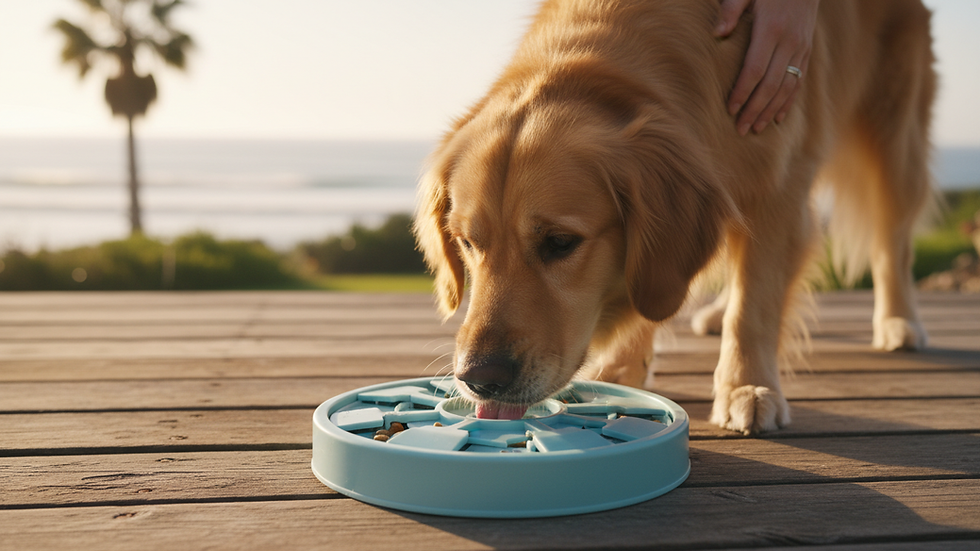
Interactive toys like treat-dispensing puzzles or chew toys can keep your dog occupied during your absence. These distractions help shift their focus away from your departure and reduce stress.
5. Maintain a Calm Departure and Arrival Routine
Dogs are very sensitive to our emotions. Keeping your departures and arrivals low-key helps prevent building anxiety around these moments. Avoid prolonged goodbyes or excited greetings.
6. Professional Support and Training Programs
Sometimes, separation anxiety requires additional help. Working with a professional trainer who specializes in behavior modification can provide personalized guidance. Board and train programs can also offer structured environments where your dog learns coping skills under expert supervision.
Practical Tips for Daily Management
In addition to training, daily management strategies can support your dog’s progress:
Consistent Schedule: Dogs thrive on routine. Feeding, walking, and playtimes should be consistent to provide predictability.
Background Noise: Leaving a radio or TV on can create a comforting environment and mask outside noises that might trigger anxiety.
Avoid Punishment: Never scold or punish your dog for behaviors related to anxiety. This only worsens the problem.
Use Calming Aids: Natural calming supplements, pheromone diffusers, or anxiety wraps can provide additional comfort but should be used alongside training.
Why Balanced Training is Key to Success
Balanced training combines positive reinforcement with clear communication and boundaries. It respects your dog’s emotional state while encouraging desirable behaviors. This approach builds trust and confidence, which are essential for overcoming separation anxiety.
For example, rewarding calm behavior when you prepare to leave teaches your dog that being alone is not a threat. At the same time, setting limits on destructive behaviors helps your dog learn appropriate ways to cope.
If you want to explore more about effective dog separation anxiety solutions, I encourage you to reach out to professionals who understand the nuances of canine behavior and can tailor a plan to your dog’s unique needs.
Building a Stronger Bond Through Understanding
Ultimately, helping your dog with separation anxiety is about strengthening your bond. When your dog feels secure and understood, they are more likely to thrive. Patience, consistency, and empathy are your best tools.
Remember, every dog is different. What works for one may not work for another, so be prepared to adapt and seek expert advice when needed. With the right approach, you can transform anxious moments into calm, confident ones.
By applying these strategies, you are not only helping your dog manage separation anxiety but also enhancing the quality of life for both of you. Your commitment to understanding and supporting your dog’s emotional health is the foundation of a happy, balanced relationship.


